
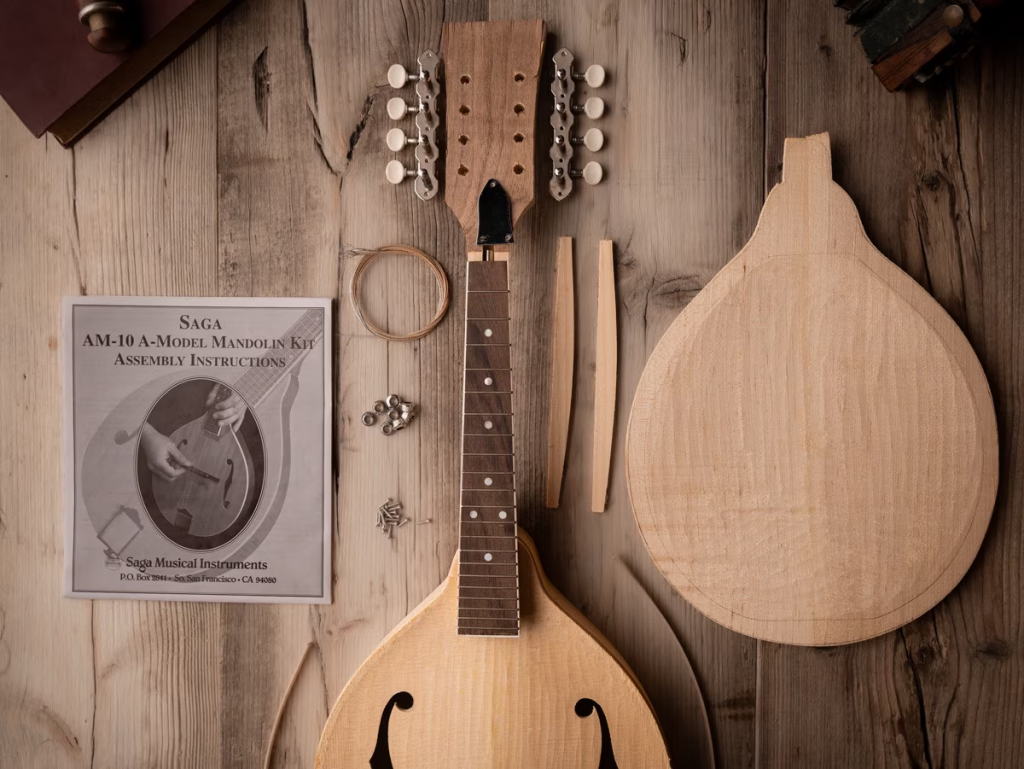
Learning the mandolin parts and the accessories that support your instrument is one of the first steps towards becoming a confident player. Whether you have just purchased your first mandolin or are planning to invest in one, understanding how each part works will help you tune, maintain and play your instrument more effectively.
Alongside the instrument itself, a few carefully chosen accessories can improve comfort, protect your investment and make practice sessions more enjoyable. From a reliable mandolin stand to spare strings and picks, the right equipment helps beginners build good habits from the start.
Why Is It Important to Learn the Parts of a Mandolin?
Knowing the names and functions of the different mandolin parts makes it easier to:
- Follow tutorials and lesson books.
- Tune and maintain the instrument correctly.
- Communicate with teachers or repair specialists.
- Understand setup and maintenance advice.
- Replace accessories or parts when necessary.
A basic understanding also helps you care for your instrument properly, ensuring it performs well for many years.
The Main Mandolin Parts Every Beginner Should Know
Headstock
The headstock sits at the top of the mandolin and holds the tuning machines. Most mandolins have eight tuning pegs because the instrument has four pairs of strings.
The headstock also carries the string tension, making it an important structural part of the instrument.
Tuning Machines
The tuning machines allow you to tighten or loosen each string to achieve the correct pitch.
Mandolins are normally tuned:
- G
- D
- A
- E
Each note uses a pair of strings, creating the bright, rich sound for which the mandolin is known.
Nut
The nut is a small piece positioned between the headstock and the fingerboard. It keeps the strings evenly spaced while guiding them towards the tuning machines.
A properly fitted nut contributes to accurate tuning and comfortable playability.
Fingerboard
The fingerboard is where your left hand presses the strings to create different notes.
Most beginner mandolins feature durable hardwood fingerboards with clearly positioned frets that help players develop accurate finger placement.
Frets
Frets are the thin metal strips embedded across the fingerboard.
They divide the fingerboard into precise note positions, allowing beginners to play accurately without guessing finger placement.
Neck
The neck connects the headstock to the body and supports the fingerboard.
A comfortable neck profile makes learning easier by allowing smooth hand movement during scales, chords and melodies.
Body
The body produces the mandolin’s tone and resonance.
Depending on the model, the body may feature either an A-style or F-style design, both offering excellent sound while differing mainly in appearance and decorative features.
Bridge
The bridge transfers string vibration into the soundboard.
Unlike many guitars, most mandolin bridges are movable, making correct positioning essential for accurate intonation.
Tailpiece
The tailpiece anchors all eight strings at the lower end of the instrument.
It works together with the bridge to maintain proper string tension.
Sound Holes
Mandolins feature either:
- F-holes
- Oval sound holes
Both designs allow sound to project while contributing to the instrument’s unique tonal characteristics.
What Accessories Does Every Beginner Need?
Although the mandolin itself is the main investment, several accessories make learning more convenient and help protect your instrument.
Mandolin Stand
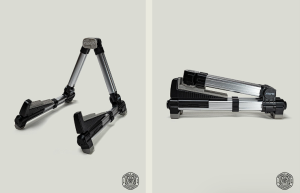
A quality mandolin stand is often overlooked by beginners but quickly becomes one of the most useful accessories.
Rather than placing your mandolin on a chair or against a wall, a dedicated stand provides secure support while keeping the instrument within easy reach for regular practice.
An adjustable instrument stand is particularly useful because it accommodates various traditional string instruments while offering stable support at home or during rehearsals.
Picks
Mandolin picks are generally thicker than standard guitar picks.
Many beginners experiment with different thicknesses before finding one that provides the right balance of control and tone.
Keeping several spare picks ensures practice sessions are never interrupted.
Spare Strings
Mandolin strings naturally wear over time.
Having an extra set available means you can quickly replace a broken string and maintain consistent tone quality.
Regular string replacement also improves tuning stability and playing comfort.
Instrument Case or Gig Bag
Protecting your mandolin during transport is essential.
A padded gig bag works well for regular travel, while a hard case offers maximum protection for longer journeys or storage.

Electronic Tuner
Accurate tuning is essential for developing good musical hearing.
Clip-on electronic tuners make tuning straightforward for beginners by providing visual guidance for each string.
Cleaning Cloth
A soft microfibre cloth removes fingerprints, dust and moisture after each practice session.
Regular cleaning helps preserve both the finish and the condition of the strings.
How Do I Choose the Right Mandolin Stand?
Many beginners ask whether a stand is really necessary.
The answer is yes if you practise regularly.
When choosing a mandolin stand, look for:
- Adjustable height.
- Stable, wide base.
- Soft padding at contact points.
- Folding design for easy transport.
- Compatibility with other acoustic instruments.
An adjustable stand offers flexibility if you own multiple instruments or plan to expand your collection in the future.
People Also Ask
What are the main mandolin parts?
The primary mandolin parts include the headstock, tuning machines, nut, fingerboard, frets, neck, body, bridge, tailpiece and sound holes. Each component contributes to the instrument’s playability, tuning stability and tone.
What accessories should every mandolin beginner buy?
Most beginners benefit from owning:
- A mandolin stand
- Clip-on tuner
- Spare strings
- Picks
- Protective gig bag or hard case
- Cleaning cloth
These accessories improve maintenance, convenience and daily practice.
Why should I use a mandolin stand?
A mandolin stand protects the instrument from accidental falls while encouraging more frequent practice. Keeping the instrument safely displayed makes it easier to pick up and play throughout the day.
How often should mandolin strings be replaced?
Replacement depends on how frequently you play. Beginners practising several times each week often replace strings every few months or whenever tuning stability or tone begins to decline.
Caring for Your Mandolin
Proper care extends the life of your instrument and maintains consistent performance.
Simple maintenance includes:
- Wiping the instrument after every practice session.
- Storing it in a suitable case or on a secure stand.
- Keeping it away from excessive heat or humidity.
- Changing worn strings when necessary.
- Checking tuning before each practice session.
These small habits help preserve both appearance and sound quality.
Build Good Habits from Day One
Learning the names and functions of essential mandolin parts gives beginners greater confidence as they progress through lessons. Pairing your instrument with practical accessories such as a dependable mandolin stand, quality picks, spare strings and a tuner creates an enjoyable learning experience while protecting your investment.
Whether you are practising at home or attending lessons, the right combination of knowledge and accessories helps you spend more time making music and less time worrying about maintenance.
Explore McNeela Music’s range of mandolin accessories and adjustable instrument stands to equip your instrument for comfortable, confident playing from your very first session.




Share your thoughts