
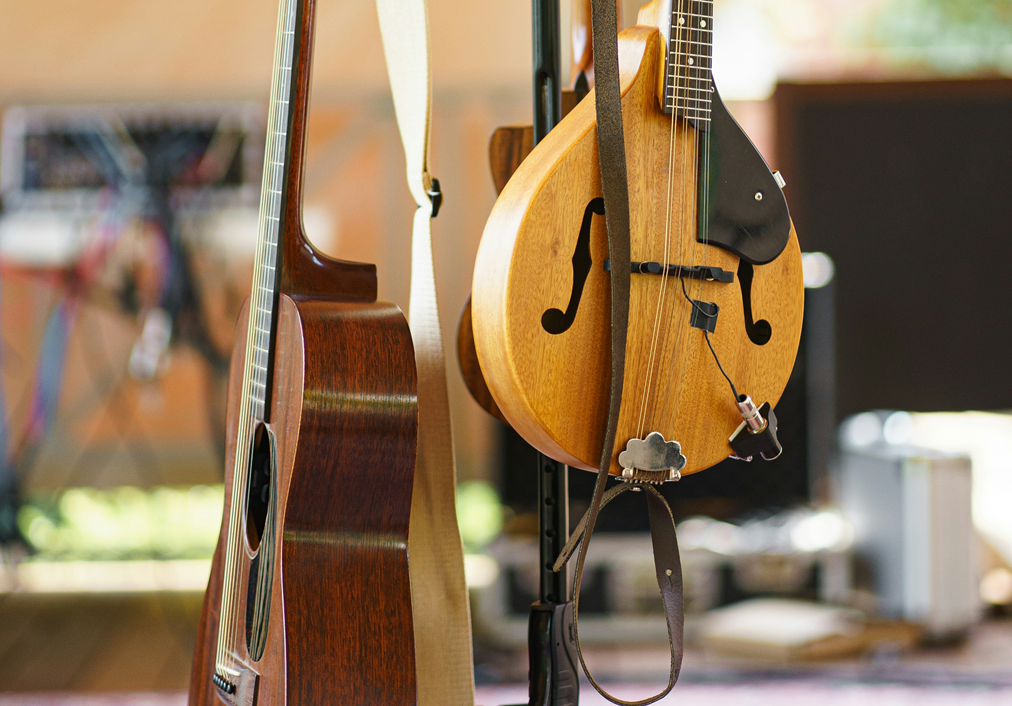
If you already play the guitar, learning the mandolin is often much easier than starting a completely new instrument. While the two instruments differ in size, tuning and playing technique, they share many musical concepts, including rhythm, melody, chord construction and ear training. With consistent practice and the right starter mandolin, many guitarists can begin playing simple tunes within a short period.
Whether you’re interested in Irish traditional music, folk, bluegrass or acoustic sessions, the mandolin offers a rewarding new musical experience while building on the skills you already have.
Why Is the Mandolin Easier for Guitar Players to Learn?
Guitar players already understand many of the fundamentals needed to play the mandolin.
These transferable skills include:
- Finger strength and dexterity
- Picking technique
- Reading chord diagrams and tablature
- Timing and rhythm
- Musical phrasing
- Basic music theory
Because of this existing knowledge, beginners coming from guitar usually progress faster than someone learning their first string instrument.
The biggest adjustment is not learning music itself—it’s adapting to the mandolin’s tuning, shorter scale length and paired strings.
What Are the Biggest Differences Between Guitar and Mandolin?
Understanding these differences helps make the transition smoother.
1. Different Tuning
The guitar is commonly tuned:
E – A – D – G – B – E
The mandolin uses four pairs of strings tuned:
G – D – A – E
This is the same tuning as a violin, although played with a plectrum rather than a bow.
Chord shapes therefore differ completely, even though the musical notes remain the same.
2. Double Strings
Unlike a guitar, each course contains two strings played together.
This produces:
- Greater volume
- A richer tone
- Natural chorus effect
- Better projection during acoustic sessions
Initially, pressing two strings evenly may feel unusual, but most guitar players adapt quickly.
3. Shorter Scale Length
A mandolin neck is significantly shorter than a guitar neck.
Advantages include:
- Smaller finger stretches
- Faster movement across the fingerboard
- Easier reach for melodic playing
The closer fret spacing means accuracy becomes more important, especially higher up the neck.
How Long Does It Take for a Guitar Player to Learn Mandolin?

One of the most common questions beginners ask is:
How quickly can a guitarist start playing mandolin?
There is no single answer because everyone practises differently, but many guitar players can:
- Learn basic chord shapes within a few days
- Play simple melodies within the first week
- Join beginner sessions after several weeks of regular practice
- Continue improving through repertoire and technique over time
Practising little and often is usually more effective than occasional long practice sessions.
Which Guitar Skills Transfer Directly?
Many musical skills transfer immediately.
Rhythm
Keeping steady timing is identical regardless of instrument.
Picking Control
Alternate picking is already familiar to most guitarists and forms the foundation of good mandolin technique.
Musical Ear
Recognising melodies, intervals and chord progressions gives guitar players a considerable advantage.
Chord Knowledge
Although the finger shapes change, understanding how chords are built makes learning new shapes much quicker.
What New Skills Will You Need?
Even experienced guitarists will need to develop some new mandolin basics.
Cross Picking
Many traditional tunes require precise alternate picking across string pairs.
Tremolo
Tremolo is one of the defining mandolin techniques.
It involves rapidly repeating a picked note to create sustained sound, compensating for the instrument’s naturally short note decay.
Position Playing
Because frets are close together, players often move smoothly between positions rather than stretching fingers across several frets.
How Do You Choose the Right Starter Mandolin?
Choosing a quality starter mandolin makes learning more enjoyable and helps develop good technique from the beginning.
Look for an instrument with:
- Comfortable neck profile
- Accurate intonation
- Reliable tuning stability
- Quality tonewoods
- Professional setup before delivery
A properly adjusted instrument requires less finger pressure and stays in tune more consistently, allowing beginners to focus on playing rather than making constant adjustments.
McNeela Music offers a carefully selected range of mandolins suitable for beginners through to experienced musicians, with instruments designed for Irish traditional music and beyond.
Should You Learn Chords or Tunes First?
Many guitar players instinctively begin with chords because that’s how they learned guitar.
However, on the mandolin, learning melodies early often produces faster musical progress.
A balanced approach works best:
- Learn open-string exercises.
- Practise basic scales.
- Play simple traditional tunes.
- Add beginner chord shapes.
- Combine rhythm and melody.
This develops both technical ability and musical confidence.
Is a Pick Different for Mandolin?
Yes.
Although guitar picks can work, many mandolin players prefer:
- Slightly thicker plectrums
- Greater rigidity
- Better control for tremolo
- Improved note definition
Experimenting with different pick thicknesses helps you find what feels most comfortable.
People Also Ask
Is mandolin harder than guitar?
Not necessarily.
For complete beginners, both instruments have learning curves.
For guitar players, however, the mandolin often feels easier because many musical concepts already make sense. The main challenge lies in learning new chord shapes and adapting to paired strings.
Can I teach myself mandolin if I already play guitar?
Yes.
Many guitarists successfully teach themselves using structured lessons, books and regular practice. However, starting with quality learning resources and a well-made instrument helps establish correct technique from the beginning.
Do guitar chords work on mandolin?
No.
Because the instruments use different tunings, guitar chord shapes cannot simply be transferred to mandolin.
The underlying music theory remains the same, making it much easier to learn new chord patterns.
What music styles suit the mandolin?
The mandolin appears in many genres, including:
- Irish traditional music
- Folk
- Bluegrass
- Country
- Classical
- Celtic music
- Acoustic pop
- Contemporary instrumental music
Its bright, articulate sound makes it especially popular in traditional Irish sessions.
Tips for Making the Switch Successfully
A few simple habits can speed up your progress.
- Practise for 15–30 minutes daily.
- Focus on clean picking before increasing speed.
- Learn scales alongside tunes.
- Develop tremolo gradually.
- Keep your instrument properly tuned.
- Listen regularly to experienced mandolin players.
- Invest in a quality starter mandolin that supports good technique from day one.
Small, consistent improvements build confidence much faster than trying to learn everything at once.
Conclusion
If you already play guitar, learning the mandolin is a natural next step. Your understanding of rhythm, timing and musical structure gives you a strong foundation, while the instrument’s compact size and expressive sound open the door to new playing styles and traditions.
Although you’ll need to adjust to different tuning, paired strings and new chord shapes, most guitarists adapt quickly with regular practice. Starting with a well-made starter mandolin and focusing on essential mandolin basics allows you to develop solid technique from the beginning.
Whether your goal is joining Irish traditional sessions, exploring folk music or simply adding another instrument to your repertoire, the mandolin offers an enjoyable and rewarding musical journey.
Ready to get started? Explore McNeela Music’s collection of quality mandolins and beginner-friendly resources to find the ideal instrument for your first steps into mandolin playing.


Share your thoughts