
The global music landscape is experiencing a significant shift as modern musicians and hobbyists step away from fully synthesised production in favour of organic, tactile instrumentation. Among the traditional instruments experiencing the most substantial growth is the mandolin. Once primary to early twentieth-century string orchestras and mid-century bluegrass ensembles, this compact, eight-string instrument is capturing a new generation of players worldwide.
Understanding the factors behind this resurgence reveals a combination of changing consumer musical tastes, accessibility in digital education, and unique acoustic properties that make the instrument highly compatible with modern genres.
The Global Return to Acoustic and Traditional Music Styles
A primary driver behind the renewed interest in the mandolin is the massive revival of folk, roots, and traditional acoustic music. According to global musical instrument market reports published by Business Research Insights, the global mandolin market is expanding steadily at a compound annual growth rate (CAGR) of 5.6% through 2035. This sustained valuation growth highlights a structural shift in consumer purchasing behaviour.
Musicians are increasingly integrating the distinct, bright timbre of double-strung pairs into contemporary indie, pop, and rock arrangements. Because the mandolin is tuned in perfect fifths (G-D-A-E)—exactly like a violin—it delivers a piercing, crystalline frequency that cleanly cuts through dense studio mixes without requiring heavy electronic processing. This acoustic clarity provides a refreshing sonic alternative to standard six-string acoustic guitars.
The Digital Democratisation of Musical Education
Historically, finding local instruction for specialized acoustic stringed instruments presented a geographical barrier to entry for prospective students. However, the rise of digital learning suites, specialized streaming channels, and interactive apps has completely democratised access to high-tier instruction.
Market research indicates that online music education initiatives have directly catalyzed a 20-25% increase in beginner instrument purchases over the last three years. Prospective players no longer require access to a physical conservatory to master complex picking patterns or chord voicings. The immediate availability of digital tablature and slow-motion video breakdowns allows independent students to advance from basic open chords to advanced chord-melody arrangements entirely at their own pace.
What Makes the Irish Mandolin Unique for Modern Players
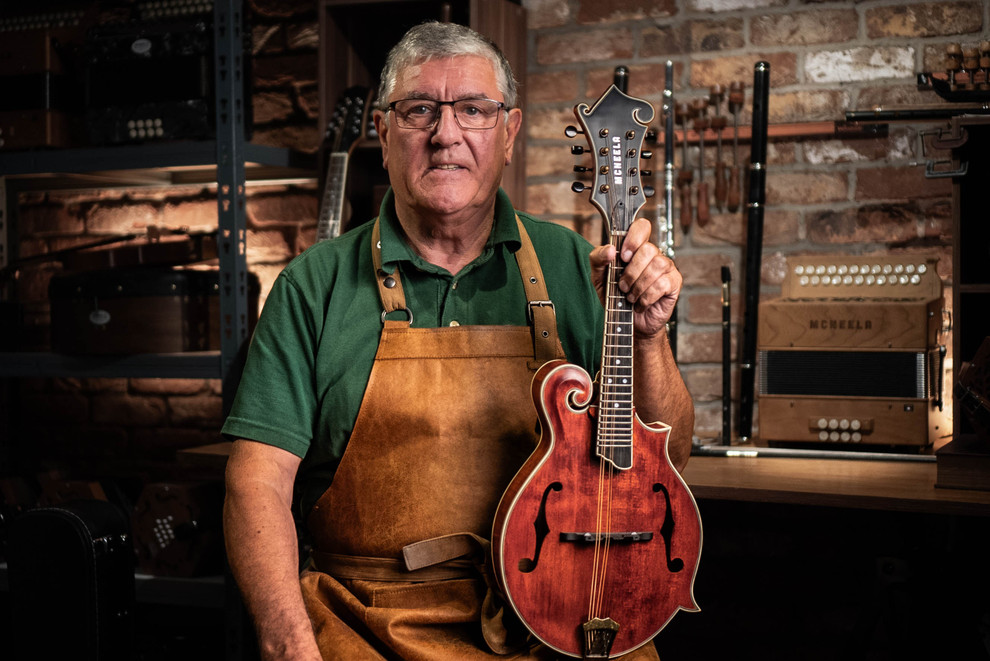
As traditional sessions grow in global popularity, the secondary market for the Irish mandolin has expanded substantially outside its historical boundaries. While American bluegrass arrangements lean heavily on the sharp, percussive “chop” of an F-style instrument featuring a decorative body scroll and carved top, European and Celtic styles favour a distinctly different acoustic profile.
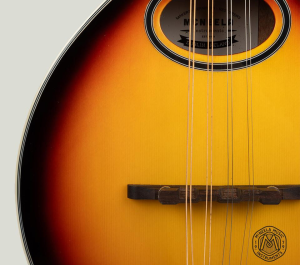
According to the comprehensive McNeela Expert Guide to Irish Mandolins, traditional Irish ensembles generally prize instruments that feature a flat back and an oval soundhole rather than standard parallel f-holes. This structural design offers several musical advantages:
- Enhanced Sustain: The open oval soundhole yields a rounder, warmer bass response and prolonged note decay, which is essential for carrying open-string drones.
- Fluid Melody Playing: The sweeter, less aggressive tone blends seamlessly alongside tin whistles, uilleann pipes, and wooden flutes rather than overpowering them.
- Ergonomic Efficiency: The tear-drop shape sits comfortably against the torso, making it highly manageable during long live sessions.
Selecting a Quality Instrument with the McNeela Mandolin Lineup
For players entering the space, selecting a well-engineered instrument that holds structural tuning stability is critical for long-term development. The curated collection of instruments available through the McNeela Music Mandolins catalogue focuses heavily on balancing precision acoustic setups with highly accessible price metrics.
Investing in a proper mcneela mandolin guarantees that a student avoids the common structural downfalls found in generic assembly-line builds. Every instrument features solid tonewood construction—utilising spruce tops for projection alongside maple back and sides for tonal crispness. Proper hardware, including precise truss rods and smooth tuning machines, ensures that the double-course strings remain perfectly in tune even under heavy pick attack. By focusing on low action and smooth fret dressing, these builds reduce finger fatigue, allowing beginners to transition smoothly into fast-paced traditional reels and jigs.
Frequently Asked Questions About the Mandolin Resurgence
Is the mandolin hard to learn for guitar players?
No, the transition is highly manageable. While the fretboard scale length is significantly shorter and strings are tuned in fifths rather than fourths, guitarists generally adapt within a few weeks. The fretting techniques carry over directly, though players must adjust to the double-string courses and different chord shapes.
What is the difference between an A-style and an F-style mandolin?
An A-style instrument features a symmetric, teardrop-shaped body and is generally preferred for folk, classical, and traditional Irish tunes due to its warm, open tone. An F-style instrument features ornate body scrolls and points; it delivers a punchier tone with a faster decay, making it the standard choice for bluegrass lead playing.
Why does a mandolin have eight strings?
The eight strings are arranged in four paired groups called courses. Each string within a pair is tuned to the exact same pitch. When plucked together with a plectrum, the subtle chorusing effect creates the signature shimmering resonance and rich acoustic volume that defines the instrument.
Conclusion and Next Steps for Aspiring Players
The return of the mandolin to mainstream visibility is a testament to its portability, sonic versatility, and rich historical heritage. Whether you are looking to add unique harmonic texture to modern studio recordings or wish to participate in local acoustic sessions, this timeless stringed instrument provides an incredibly rewarding creative avenue.
Discover the ideal instrument for your musical journey by browsing the full, professionally set up range over at the McNeela Music Mandolins collection today.



Share your thoughts