
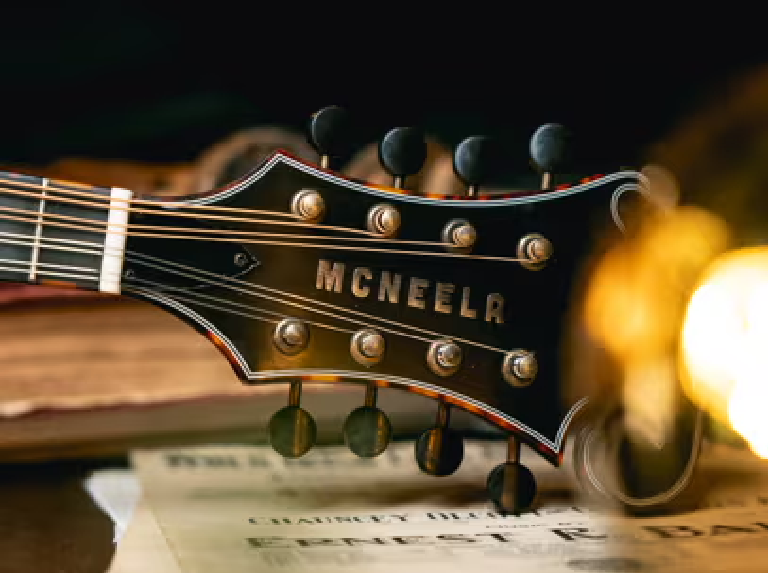
The mandolin is celebrated for its bright, punchy, and resonant acoustic voice. This distinctive sound relies heavily on your choice of strings. Because the instrument features a short scale length and high-tension paired courses, the material and thickness of your strings profoundly shape your tone, projection, and playability.
Whether you are performing traditional Irish tunes, picking fast-paced bluegrass, or exploring classical arrangements, choosing the correct set is key to optimizing your performance. This guide breaks down the science behind different string materials and gauges to help you find the ideal setup for your musical journey.
How Do I Choose Mandolin Strings Based on Materials?
The metal alloy used to wind the lower G and D courses determines the warmth, brightness, and longevity of your tone. Standard plain steel is used for the thin E and A courses, but the wound strings are available in several distinct materials:
- Phosphor Bronze: Composed of approximately 92% copper, 7% tin, and 1% phosphorus, this alloy is the industry standard. It delivers a rich, warm tone with excellent mid-range projection and balanced brightness. The addition of phosphorus helps resist corrosion from finger oils, extending the life of the strings.
- 80/20 Bronze: Made of 80% copper and 20% zinc, these strings are exceptionally bright and crisp when first installed. They provide great clarity and cutting power, though they tend to mellow out faster than phosphor bronze.
- Monel: A natural nickel-copper alloy, Monel is highly resistant to corrosion and offers a woody, warm, and vintage acoustic voice. It allows the natural timber of the mandolin to shine through, making it a favorite for traditional folk styles.
- Stainless Steel / Nickel-Plated Steel: Highly durable and resistant to tarnish, steel-wound strings provide a very bright, punchy, and metallic attack. They are highly responsive and cut through busy acoustic ensembles with ease.
Understanding Mandolin String Gauges and Tension
String gauge refers to the thickness of the individual strings, measured in thousandths of an inch. Gauges are categorised into light, medium, and heavy sets.
Light Gauge Strings (e.g., .010 – .034)
Light strings require less finger pressure to fret, making them highly comfortable for beginners or players who prefer a softer touch. They produce a sweet, bright tone but exert less downward pressure on the bridge, resulting in slightly less volume and projection. They are highly recommended for vintage mandolins, as older instruments cannot always safely handle the structural stress of high-tension strings.
Medium Gauge Strings (e.g., .011 – .040)
Medium strings represent the sweet spot for most players. They offer a balanced compromise, providing enough tension to drive the mandolin’s soundboard for strong projection while remaining comfortable for complex fretting. Mediums are the standard choice for modern A-style and F-style mandolins.
Heavy Gauge Strings (e.g., .0115 – .041)
Heavy strings exert maximum tension on the instrument. This extra mass drives the top wood harder, yielding deep bass response, maximum volume, and robust projection. They are preferred by bluegrass players who need to compete with loud banjos and fiddles, though they require stronger hand strength to play comfortably.
Matching Strings to Your Specific Playing Style
Your musical genre dictates the tonal characteristics and physical response you need from your instrument.
Traditional Irish and Folk Music
In traditional Irish sessions, players focus on fast, articulate flatpicking of single-note jigs and reels. Clear note separation and a balanced, woody tone are essential.
- Recommended Setup: Medium-gauge Monel or Phosphor Bronze strings. These materials provide the warm, sweet sustain needed to blend beautifully with uilleann pipes, concertinas, and wooden flutes without sounding overly harsh.
Bluegrass and Old-Time
Bluegrass mandolinists rely on sharp, percussive chop chords and powerful solo lines that cut through a loud acoustic mix.
- Recommended Setup: Medium-to-heavy-gauge Phosphor Bronze strings. The extra tension delivers the volume and punch required for driving rhythm chops and projection during solos.
Classical and Jazz
Classical and jazz players often seek a smooth, warm tone with minimal finger noise, focusing on clean sustain and intricate chord voicings.
- Recommended Setup: Flatwound light or medium strings. Flatwound strings feature a flat outer wrapping that eliminates “squeak” when shifting positions along the fretboard, delivering a dark, velvety, and focused tone.
How to Care for Your Strings and Accessories
Your mandolin is a high-tension system, meaning your strings, tuners, and tailpiece work hard to maintain pitch. Regularly cleaning your strings after every play session using a soft microfiber cloth will remove sweat and acidic oils, preserving their bright tone.
Additionally, investing in high-quality mandolin accessories such as a sturdy gig bag, a selection of heavy picks (which produce a fuller tone than thin picks), and a fast-acting clip-on tuner will make your playing experience seamless.
Frequently Asked Questions
How often should I change my mandolin strings?
A good rule of thumb is to change your strings every 3 to 6 months, depending on how often you play and your body chemistry. If your strings look dark, feel rough, or sound dull and struggle to stay in tune, it is time for a fresh set.
How is a mandolin tuned?
The mandolin is traditionally tuned in fifths, exactly like a violin, from lowest to highest pitch: G3, D4, A4, E5. Each pitch corresponds to a double-string pair tuned in perfect unison. For a complete walkthrough on tuning methods, electronic tuners, and maintaining pitch stability, read this comprehensive guide on how to tune a mandolin.
Can I use loop-end and ball-end strings interchangeably?
No, you must choose the string end-type that matches your mandolin’s tailpiece. Most traditional mandolins use loop-end strings, which hook onto small pins under the tailpiece cover. Some modern tailpieces accept ball-end strings, which are held in place by brass beads, similar to acoustic guitar strings. Always check your tailpiece before purchasing a new set of mandolin strings.



Share your thoughts