
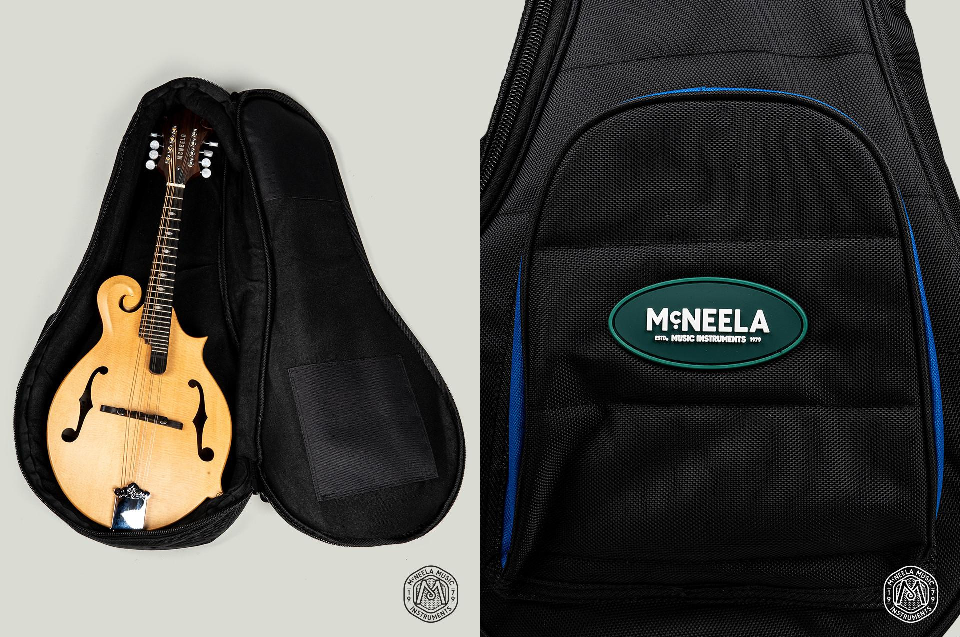
When you purchase a mandolin, protecting your investment is a primary concern. The delicate construction, carved wooden top, and high string tension make the instrument susceptible to environmental changes and physical impact. Traditional wisdom often dictates that a hardshell case is the only acceptable method of protection. However, modern instrument manufacturing and textile engineering have changed this dynamic.
Choosing between a hard case and a flexible gig bag depends on your lifestyle, travel habits, and budget. This article analyses the practical differences between these two storage options to help you determine which setup best suits your musical routine.
What Are the Main Differences Between a Hard Case and a Gig Bag?
The primary distinction between a hard case and a gig bag lies in their structural rigidity, weight, and intended utility. Understanding these differences helps identify which environment each option is designed to handle.
Structural Integrity and Impact Resistance
A traditional hard case features a rigid exterior shell, typically constructed from wood, fiberglass, or heavy-duty ABS plastic. This outer shell is covered in Tolex or leatherette and lined with plush, padded fabric. The rigid structure absorbs direct impacts, preventing crushing forces from reaching the instrument body or the delicate neck and headstock.
In contrast, a mandolin gig bag utilizes high-density foam padding encased in a durable, water-resistant nylon or canvas exterior. While it does not offer a solid structural shield against heavy crushing forces, the thick foam padding provides excellent shock absorption against everyday bumps, minor drops, and scrapes.
Weight and Portability
Hard cases are inherently heavy and awkward to transport over long distances. They generally feature a single side handle, requiring you to carry the instrument like a briefcase. This can cause hand fatigue during long walks to venues or sessions.
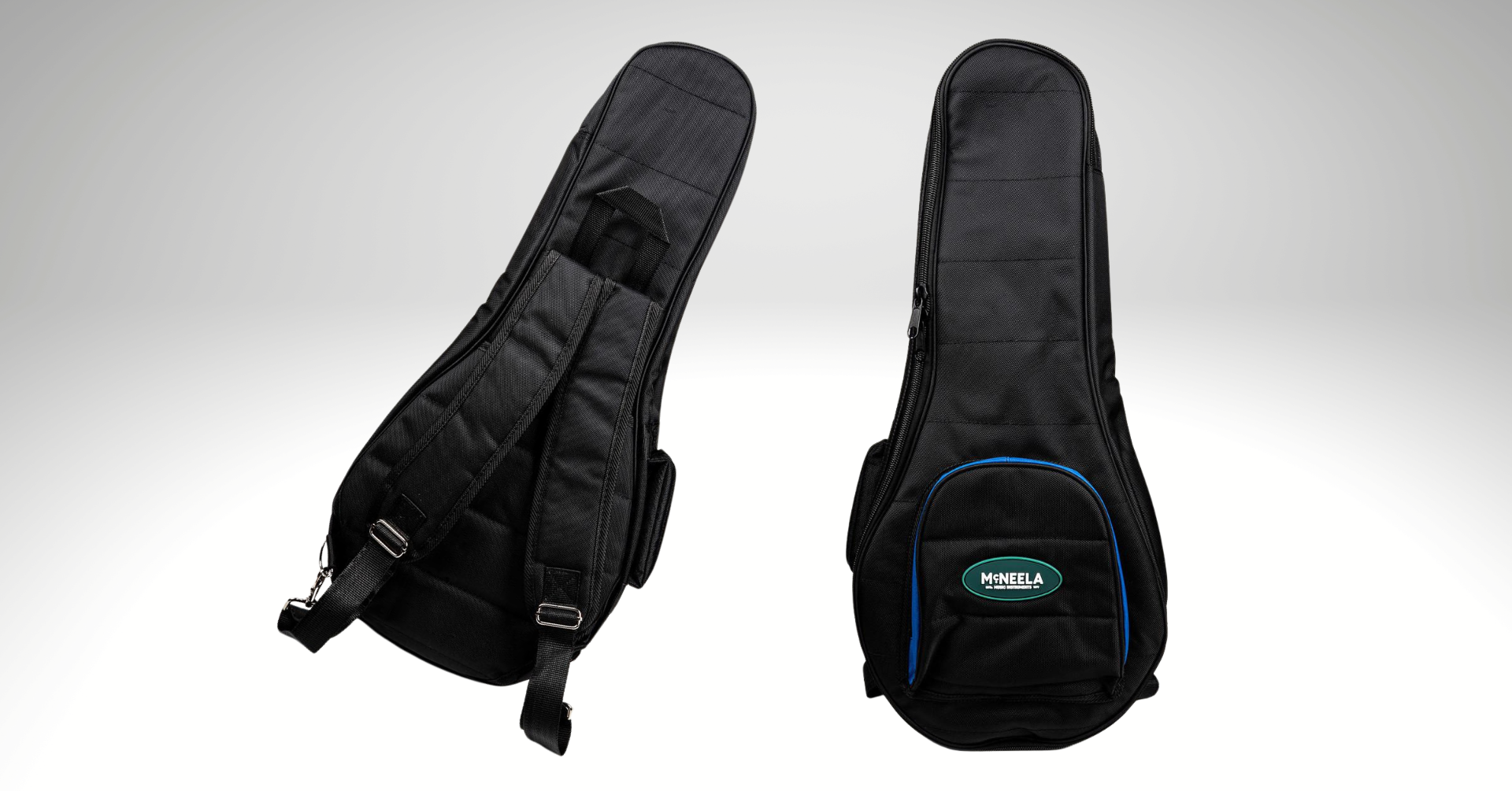
Gig bags prioritize mobility. They are lightweight and usually come equipped with adjustable backpack straps and padded carry handles. This allows you to transport your mandolin hands-free, which is a significant advantage if you commute via public transport, ride a bicycle, or need to carry other gear simultaneously.
When Is a Hard Case Essential for a Mandolin?
While a gig bag is highly convenient, certain scenarios demand the absolute structural security that only a hardshell case can provide.
- Air Travel and Commercial Transit: If you fly frequently and are forced to check your instrument into the aircraft cargo hold, a hardshell case is non-negotiable. Flight cases engineered from fiberglass or carbon fibre are essential to withstand the pressure changes, baggage handling systems, and shifting luggage.
- Long-Term Storage: If you store your mandolin for months at a time without playing it, a hard case provides a more controlled microclimate. It seals tighter than a zippered bag, which helps maintain a stable internal environment.
- Extreme Climate Stabilization: Wooden instruments are highly sensitive to changes in relative humidity. A high-quality hard case allows you to use specialized instrument humidifiers or dehumidifiers effectively, preventing the wood from cracking or warping in harsh winter or summer conditions.
- High-Risk Environments: If you frequently tour in a packed van where heavy amplifiers, PA speakers, and microphone stands are stacked together, a gig bag will not protect against shifting heavy cargo. A solid case prevents structural crushing.
When Is a Mandolin Gig Bag the Better Choice?
For many musicians, particularly hobbyists, session players, and students, a gig bag offers distinct practical advantages that a heavy case cannot match.
Everyday Commuting and Session Play
If your primary musical activity involves traveling to local traditional Irish music sessions, music lessons, or community rehearsals, a gig bag offers unmatched convenience. The ability to wear the mandolin on your back leaves your hands free to open doors, carry sheet music, or hold an umbrella.
Premium Modern Padding Technology
Modern gig bags are not just thin fabric sacks. High-quality options, such as the McNeela Mandolin Gig Bags, utilize dense foam layers that isolate the instrument from external shocks. The interior linings are designed to be scratch-resistant, ensuring the instrument’s finish remains pristine during transit.
Integrated Storage Solutions
Hard cases offer very limited internal storage, usually restricted to a small compartment beneath the neck joint that holds a few plectrums and a spare set of strings. Gig bags generally feature large exterior zippered pockets. These compartments easily accommodate tuners, straps, music books, capos, and personal items, eliminating the need to carry an additional accessory bag.
How Do I Choose the Right Protection for My Mandolin?
To decide which option fits your workflow, evaluate your daily habits and the monetary or sentimental value of your instrument.
Assess Your Transport Methods
- Choose a Hard Case if: You travel primarily by car with a boot full of heavy gear, regularly travel by plane, or leave your instrument in communal backstage areas where people might step on it.
- Choose a Gig Bag if: You walk, cycle, or use public transport to get to your gigs, and you need to keep your load as light and nimble as possible.
Consider the TGI Mandolin Gig Bag
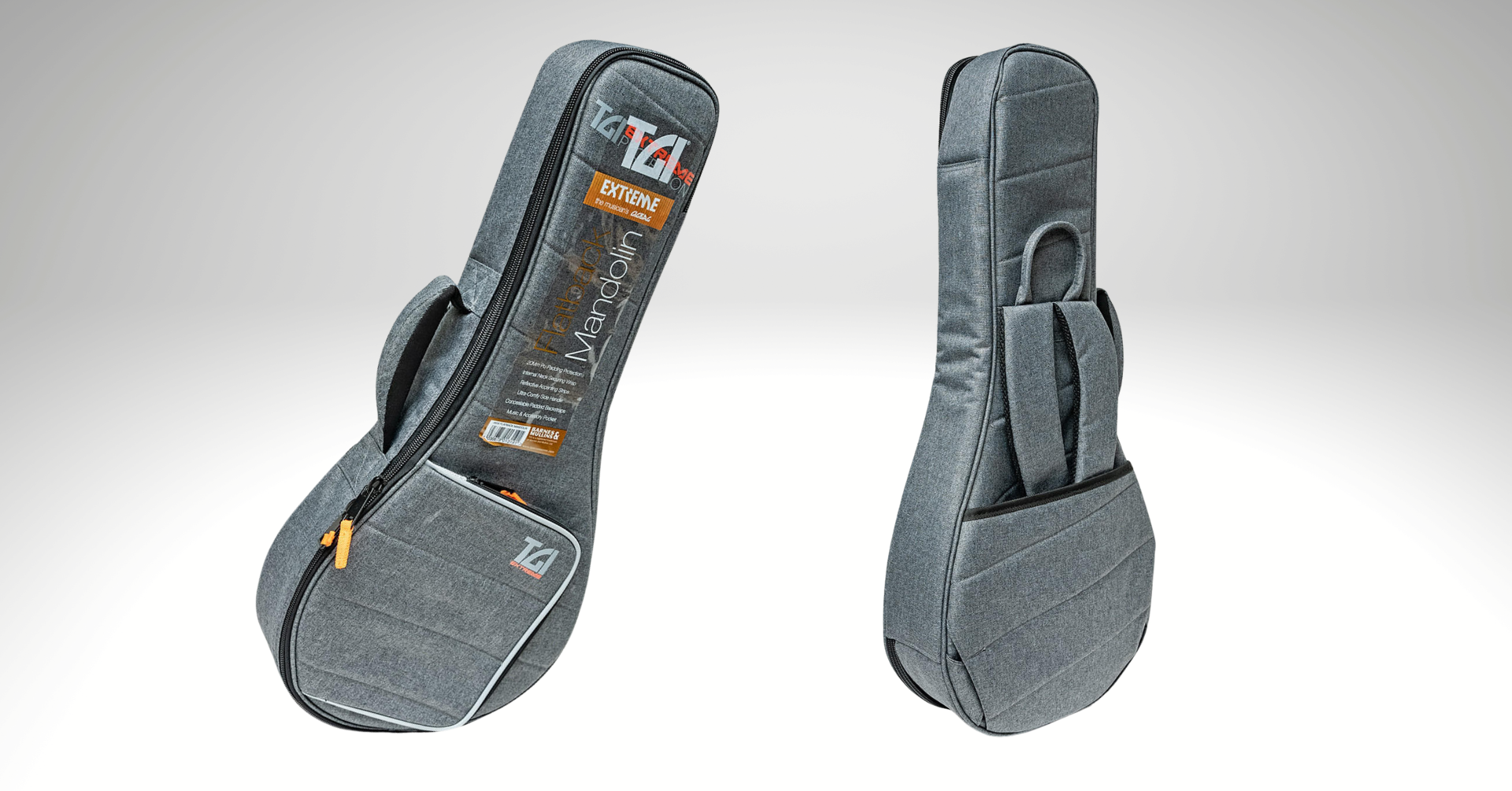
For players seeking a reliable balance of affordability and protection, the TGI Mandolin Gig Bag serves as an excellent entry-to-intermediate solution. It provides the necessary padding to defend against everyday dings while remaining lightweight enough for effortless transport to your weekly music lessons or folk clubs.
Frequently Asked Questions Regarding Mandolin Cases
Can a mandolin break inside a gig bag?
Yes, if subjected to severe crushing forces or dropped from a significant height onto a hard surface, a mandolin can suffer structural damage inside a standard gig bag. However, for normal daily handling and minor bumps, a well-padded bag provides sufficient shock absorption.
How do I maintain humidity control in a gig bag?
Controlling humidity is more challenging in a gig bag because zippers are not completely airtight. If you live in an environment with extreme humidity fluctuations, you will need to monitor your instrument closely with a digital hygrometer and use specialized humidity control packets inside the bag’s main compartment.
Will an A-style mandolin fit in a case designed for an F-style mandolin?
Generally, an A-style mandolin will fit into an F-style case or gig bag, though there may be some extra space around the body due to the absence of the scroll and points. However, an F-style mandolin will rarely fit into an A-style case because the body contours are wider and more irregular. Always check the specific internal dimensions before purchasing.
Finding Your Perfect Mandolin Protection
Ultimately, the choice between a hard case and a gig bag is not about which product is universally superior, but which one aligns with your lifestyle. Many professional musicians choose to own both: a heavy-duty hard case for long-distance touring and climate-controlled storage, alongside a lightweight gig bag for quick trips to local sessions and rehearsals.
Explore our full range of durable transport options on the McNeela Music Mandolin Accessories Page to find the ideal protection for your instrument.



Share your thoughts