
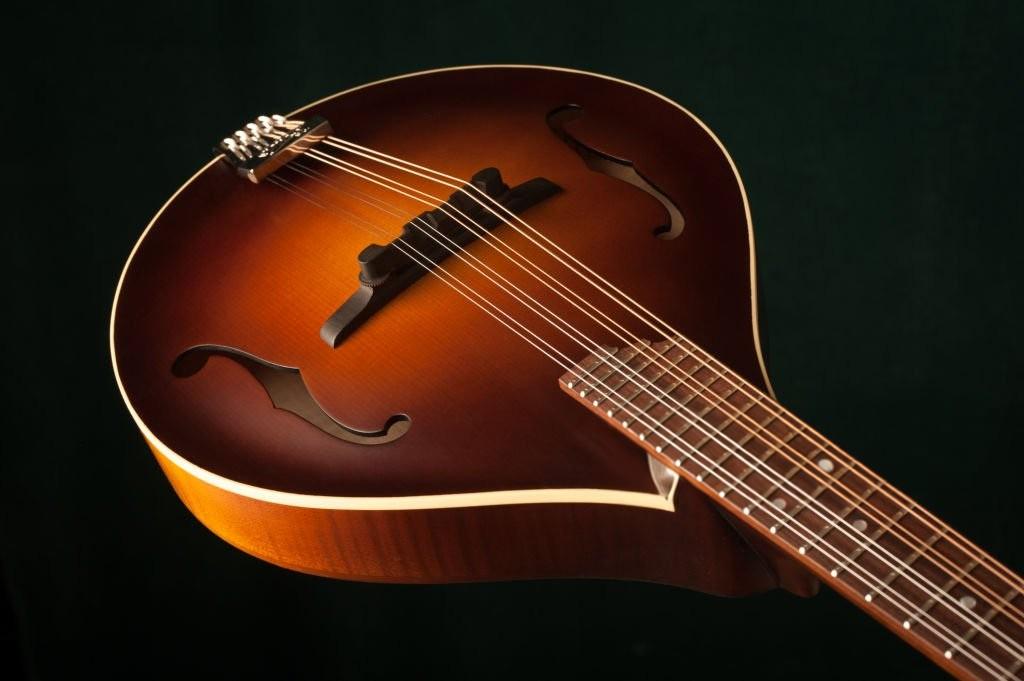
The mandolin is a versatile, eight-stringed instrument that provides a bright, rhythmic voice to modern and traditional music ensembles. Derived from the lute family, the modern mandolin has become a core component of bluegrass, folk, and traditional Irish music sessions. If you are browsing the market for high-quality mandolins for sale, making an informed purchase requires understanding how construction choices, body styles, and tonewoods alter playability and sound.
Investing in a new stringed instrument requires balancing aesthetic preferences with acoustic performance. Whether you are looking for the best beginner mandolin to start your musical journey or upgrading to a performance-grade model, this guide outlines the critical elements to evaluate before making a purchase.
What is the Difference Between A-Style and F-Style Mandolins?
When looking at mandolins for sale, you will immediately notice two dominant structural shapes: the A-style and the F-style. While both instruments share the same tuning and fretboard scale length, their body architectures differ significantly.
A-Style Mandolins
A-style mandolins feature a classic teardrop or pear-shaped body design. They are structurally streamlined, featuring clean geometric lines without ornate carvings. Because they require less intensive hand-carving during production, A-style instruments generally offer exceptional acoustic value for money. They are highly favoured by players of traditional Irish music and classical folk due to their balanced, open tonal projection.
F-Style Mandolins
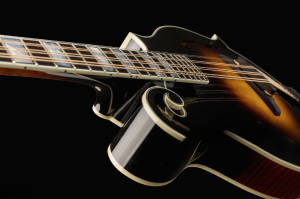
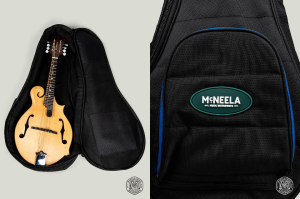
F-style mandolins are distinguished by an ornamental, hand-carved wood scroll on the upper bout of the body, alongside points on the lower body edge. This design was popularized by iconic American luthiers in the early 20th century. While the scroll is structurally solid and does not expand the internal air chamber, the added mass and modified bracing alter the instrument’s resonance. F-style instruments are the visual and acoustic standard for bluegrass music.
How Does Sound Hole Design Affect Mandolin Tone?
The shape and placement of the sound holes significantly dictate how sound waves project from the instrument’s body.
Oval Sound Holes
Oval sound holes are positioned directly underneath the strings in the center of the soundboard. This design allows air to move freely, producing a warm, round, and woody tone. Mandolins with oval sound holes generally offer excellent sustain and a richer bass response. This makes them highly effective for solo playing, vocal accompaniment, and traditional folk genres where a smooth blend of notes is required.
F-Holes
Borrowed from violin craftsmanship, F-holes consist of two narrow, stylized apertures on either side of the strings. This layout constricts the airflow slightly, creating higher internal pressure that results in a brighter, sharper acoustic response. F-hole mandolins project sound forward with immense clarity and a percussive quality known as the “chop.” This percussive bark allows the mandolin to cut through the sound of louder instruments like banjos and guitars during ensemble playing.
What to Look For in a Beginner Mandolin
For those searching for the best beginner mandolin, structural reliability and ease of play are more important than ornate decorations. A poorly constructed entry-level instrument can hinder learning progression if it fails to stay in tune or requires excessive finger pressure to fret notes.
When evaluating beginner instruments, prioritize the following features:
- Solid Spruce Top: The soundboard or top of the mandolin drives its acoustic volume. Look for solid spruce rather than heavy laminate, as solid wood vibrates freely and improves in tone as it ages.
- Reliable Tuning Machines: Because mandolins feature eight strings tuned in pairs (courses) under high tension, high-quality, smooth-geared tuners are vital for maintaining pitch accuracy.
- Comfortable Neck Profile: A clean fretboard with properly finished fret wires ensures smooth left-hand movement, which prevents hand fatigue during extended practice sessions.
The mandolin shares its standard G-D-A-E tuning directly with the fiddle and the Irish tenor banjo. Consequently, musicians transitioning from these instruments can immediately transfer their fingerings and repertoire to the mandolin fretboard, accelerating their learning curve.
Leading Mandolin Models Available Today
Selecting the right model depends on your stylistic goals and budget. The following instruments provide exceptional build quality and acoustic performance within their respective categories.
McNeela Premium A-Style Mandolin
The McNeela Premium A-Style Mandolin is an exceptional choice for traditional Irish music and folk styles. It features a solid spruce top paired with an oval sound hole, delivering a warm, resonant, and woody tone. The instrument features elegant pearlescent inlay work and is available in natural gloss or sunburst finishes. It provides superb projection and a smooth action, making it an accessible, rewarding choice for novice and intermediate players alike.
McNeela F-Style Mandolin
Engineered for players who demand the traditional bluegrass aesthetic and acoustic punch, the McNeela F-Style Mandolin showcases an expertly carved body scroll and dual F-holes. This structural design provides a bright, crisp high-end response and a powerful percussive chop. It offers the enhanced volume and cutting power needed to stand out clearly within a multi-instrument acoustic band.
McNeela Signature DC Mandolin
The McNeela Signature DC Mandolin is built for intermediate and advanced players seeking refined tonal clarity. This model features precise craftsmanship that enhances note definition across all four string courses. It offers excellent sustain, stable intonation, and a responsive feel, making it a reliable performance tool for recording and live acoustic sessions.
Frequently Asked Questions About Buying a Mandolin
Is the mandolin easy to learn for fiddle players?
Yes. Because the mandolin is tuned to G-D-A-E (from lowest to highest pitch), it shares the exact scale intervals and note layout as a standard fiddle. Anyone who plays the violin or fiddle can use their existing left-hand finger memory to play scales, chords, and traditional melodies on the mandolin immediately.
What is the standard maintenance required for a mandolin?
Mandolins require regular string changes to maintain their bright, clear voice. It is also important to store the instrument in a dedicated hard case with a stable humidity level, as changes in climate can cause the solid tonewoods to expand or contract.
Finding Your Ideal Instrument
Choosing the right mandolin involves aligning your preferred musical genre with the appropriate body shape and sound hole configuration. An A-style oval-hole model delivers the warmth and sustain ideal for folk and Irish sessions, while an F-style F-hole instrument provides the clarity and punch required for bluegrass rhythm and lead work. Prioritizing quality tonewoods, precise tuning stability, and reliable setup will ensure your instrument remains a joy to play for years to come.
Explore the complete collection of expertly crafted instruments and find the perfect fit for your musical style by browsing the premium range of Mandolins for Sale available at McNeela Music. For further guidance on selecting your first instrument, read their expert analysis on the Best Beginner Mandolin.
Share your thoughts