

Searching for high-quality mandolins for sale near me can be an exciting journey, whether you are picking up the instrument for the first time or upgrading your current setup. The mandolin is a cornerstone of traditional music, highly valued for its crisp, percussive chop and bright acoustic projection.
When searching for a premium mandolin near me, understanding key structural features, tonewood configurations, and body shapes is essential to making an informed investment. This guide outlines what to look for during your search and highlights top-tier options designed to deliver exceptional performance.
What Are the Differences Between A-Style and F-Style Mandolins?
The first decision you will face when browsing mandolins is choosing between the two primary body shapes: A-style and F-style. While both configurations share the same tuning, their physical structure influences their acoustic footprint and visual character. According to historical instrument design indices at the National Music Museum, these distinctions trace back to early 20th-century American instrument manufacturing paradigms.

A-Style Mandolins
A-style mandolins feature a symmetrical, teardrop-shaped body. They are generally simpler to construct, making them a cost-effective choice for players seeking high-quality sound on a budget. A-style models are highly popular in traditional Irish, folk, and classical music due to their open, sweet tonal characteristics and excellent balance across all strings.
F-Style Mandolins
F-style mandolins are distinguished by their ornate structural design, featuring an elegant body scroll on the upper bass bout and structural points on the lower body. This style is deeply rooted in bluegrass tradition. The added mass of the scroll and points can contribute to a more focused, punchy sound with an assertive rhythmic “chop” that slices through the mix in large acoustic ensembles.
How Do Soundholes Affect Mandolin Tone?
The shape of the soundhole significantly impacts how sound waves escape the body chamber, defining the instrument’s overall projection and acoustic character.
F-Holes
Mirroring the design of a violin, dual f-holes produce a punchy, mid-range focused tone with immediate projection. This design cuts through loud acoustic environments cleanly, making it ideal for bluegrass and rhythmic driving styles where high volume is required.
Oval Soundholes
A single oval soundhole provides a rounder, warmer, and more resonant bass response. The sound blends beautifully, making oval holes a preferred option for solo performance, Celtic melodies, and folk arrangements where a smoother tone is desired.
Key Construction Factors to Consider When Searching for a Mandolin Near Me
To find an instrument that provides excellent playability and longevity, look closely at the materials and construction methods used by the builder.
Solid Tonewoods vs. Laminates
Instruments built from solid tonewoods develop a richer, more complex voice over time as the wood dries and vibrates. Premium builds typically use a solid spruce top for brilliant high-frequency projection, paired with solid maple back and sides to provide structural stability and bright, clean reflection. According to wood analysis data from the Forest Products Laboratory, spruce exhibits an exceptional strength-to-weight ratio, allowing it to vibrate freely under high string tension.
Neck Profile and Fingerboard Radius
The neck profile should feel comfortable in your hand. Many modern mandolins feature a radiused fingerboard, which has a slight curve across the surface. This design mirrors the natural curve of your fingers, reducing fretting fatigue during extended playing sessions compared to completely flat fingerboards.
Hardware and Tuning Stability
The high tension of eight steel mandolin strings demands robust hardware. Ensure the instrument is fitted with high-ratio, precision-engineered tuning machines and a solid tailpiece to maintain accurate pitch and optimal string-to-body energy transfer.
Premium Mandolins to Consider for Your Collection
If you are looking for instruments that blend expert build quality with traditional tone, the McNeela Music Mandolins Collection offers a curated selection built specifically to satisfy demanding acoustic musicians.
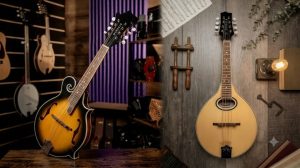
The McNeela Heritage F-Style Mandolin
For players looking to secure a professional-grade instrument, The McNeela Heritage F-Style Mandolin stands out as a premier choice. This model balances traditional craftsmanship with modern adjustments to optimize playability.
- Solid Tonewood Construction: Built with a solid spruce top combined with solid maple back and sides, this combination yields a balanced, cutting acoustic profile.
- Premium Component Selection: It features a high-grade ebony fingerboard and bridge, which enhance sustain and provide a fast, smooth fretting surface.
- Enhanced Tuning Stability: Equipped with reliable gold-plated tuning pegs and an ultra-stable tailpiece, the instrument is engineered to withstand long performance sessions without slipping out of tune.
The McNeela Celt A-Style Mandolin
If your musical interests lean towards folk, classical, or traditional Irish session music, an A-style instrument like the McNeela Celt is an excellent path forward. It offers a warm, open acoustic voice with an easy-to-play neck profile, making it a reliable choice for players seeking great value, clear volume, and superb tonal response.
Frequently Asked Questions About Buying a Mandolin
Is a mandolin hard to learn for a guitar player?
Guitar players often adapt quickly to the mandolin because they have already developed finger strength and calluses. However, the mandolin is tuned in perfect fifths (G-D-A-E, from lowest to highest string), which matches violin tuning rather than guitar tuning. This means you will need to learn entirely new chord shapes and scale patterns.
How much should I spend on my first mandolin?
For a reliable beginner instrument that stays in tune and features a solid wood top, expect to spend between £200 and £500. Investing in this tier ensures proper action (the distance between the strings and the frets), making the instrument physically easier to play and learn on.
Why do mandolins have eight strings instead of four?
The eight strings are arranged in four pairs called “courses.” Each string in a course is tuned to the exact same pitch. When plucked together with a plectrum, the dual strings create a natural, built-in chorus effect that gives the mandolin its signature shimmering sound and increased acoustic volume.
Find Your Next Instrument Today
Choosing the right mandolin involves finding an optimal balance between visual style, tonewood properties, and comfortable physical playability. By focusing on solid wood tops, stable hardware, and choosing the body shape that matches your preferred musical style, you ensure your instrument will be a joy to play for years to come.
Explore the full range of professional instruments at McNeela Music to find the perfect match for your musical journey.



Share your thoughts